Assessment · Containment · Remediation
Mold Removal for Cherry Hills Village Homes
Good mold remediation starts with finding the moisture, uses containment to protect the rest of the house, and finishes with repairs. Here is what that looks like in larger homes.
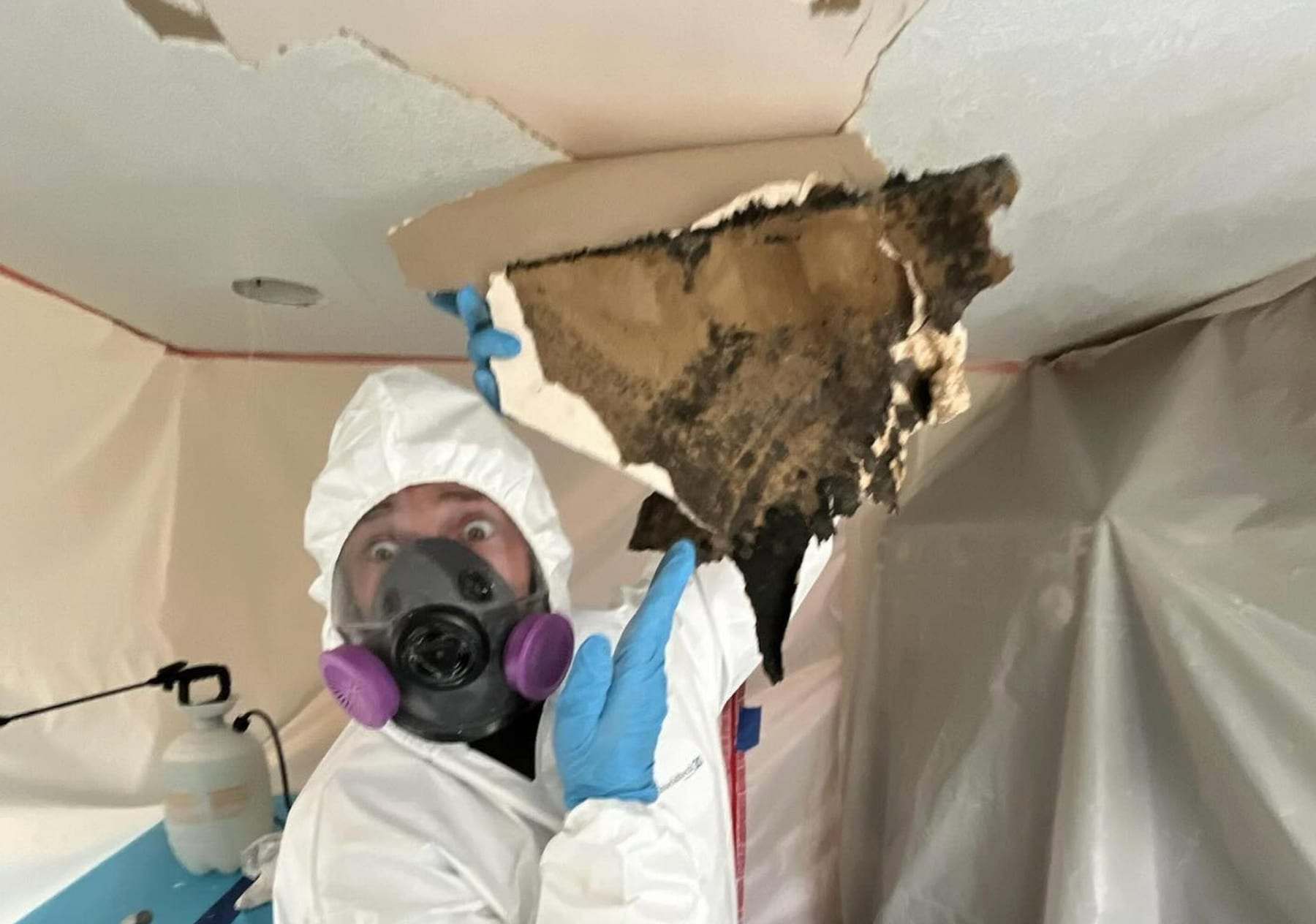
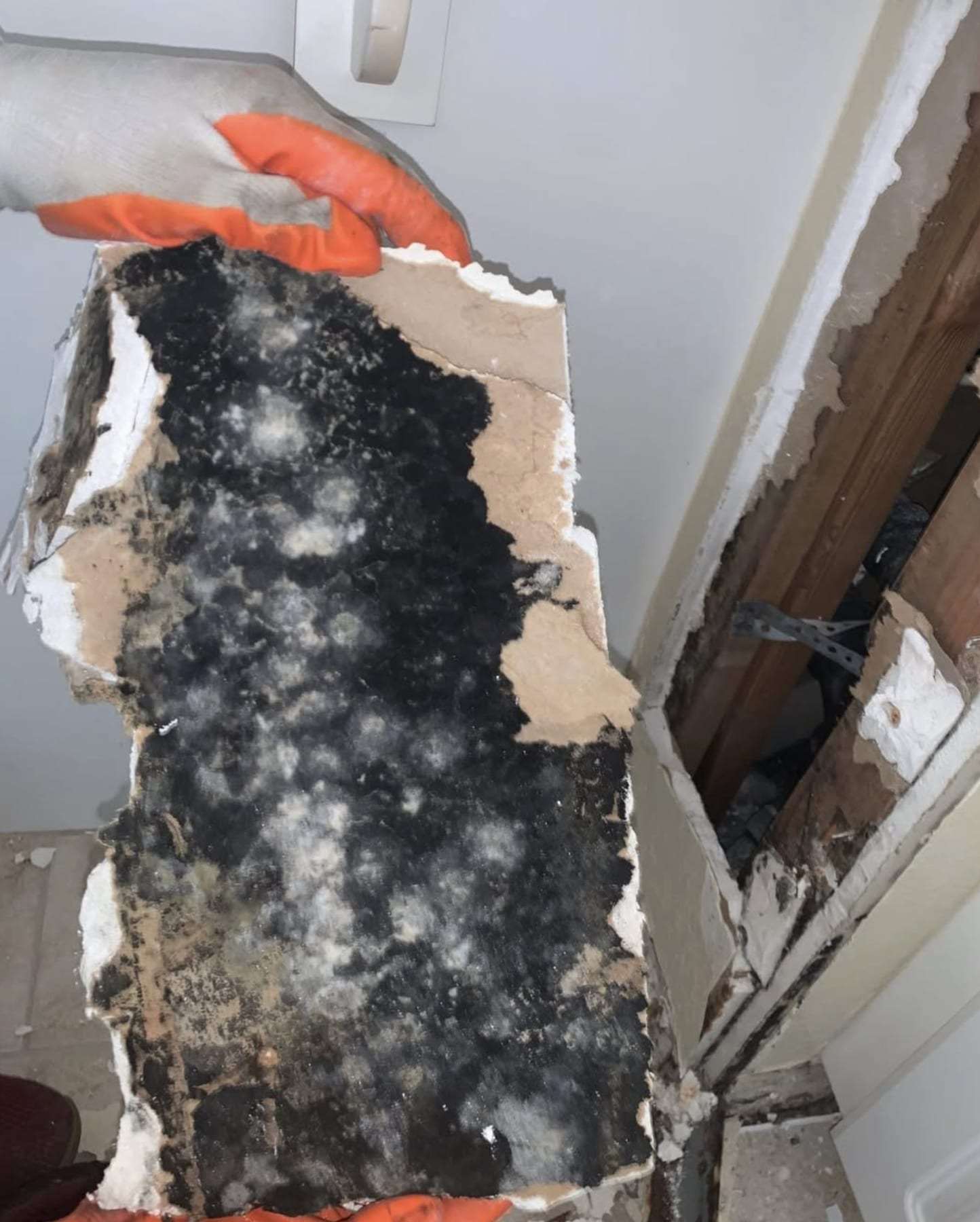
Mold is a moisture problem first
Mold spores are present nearly everywhere, indoors and out. They become a problem when they land on a material that stays damp, such as drywall behind a slow leak, a basement wall with seepage, an attic with poor ventilation, or carpet that never fully dried after a spill. Remove the mold without fixing the moisture, and it comes back.
That's why sound mold removal begins by investigating the source. Then the work usually follows a controlled sequence: contain the affected area so spores aren't spread through the house, remove contaminated materials that can't be cleaned, clean and HEPA-vacuum what remains, dry the area, and rebuild.
Ask whether the technicians on your job hold IICRC mold remediation certification, and ask to see it before work starts.
Signs that call for an assessment
- A persistent musty or earthy smell, especially in a basement, closet, or room that's been closed up.
- Visible growth (spots, fuzz, or staining) on walls, ceilings, window frames, or stored items.
- Recurring condensation on windows or cold walls in winter.
- A past leak or water event where materials weren't professionally dried.
- Warped or bubbling paint, or soft baseboards, in a room without an obvious water source.
-
What to do (and not do) before remediation
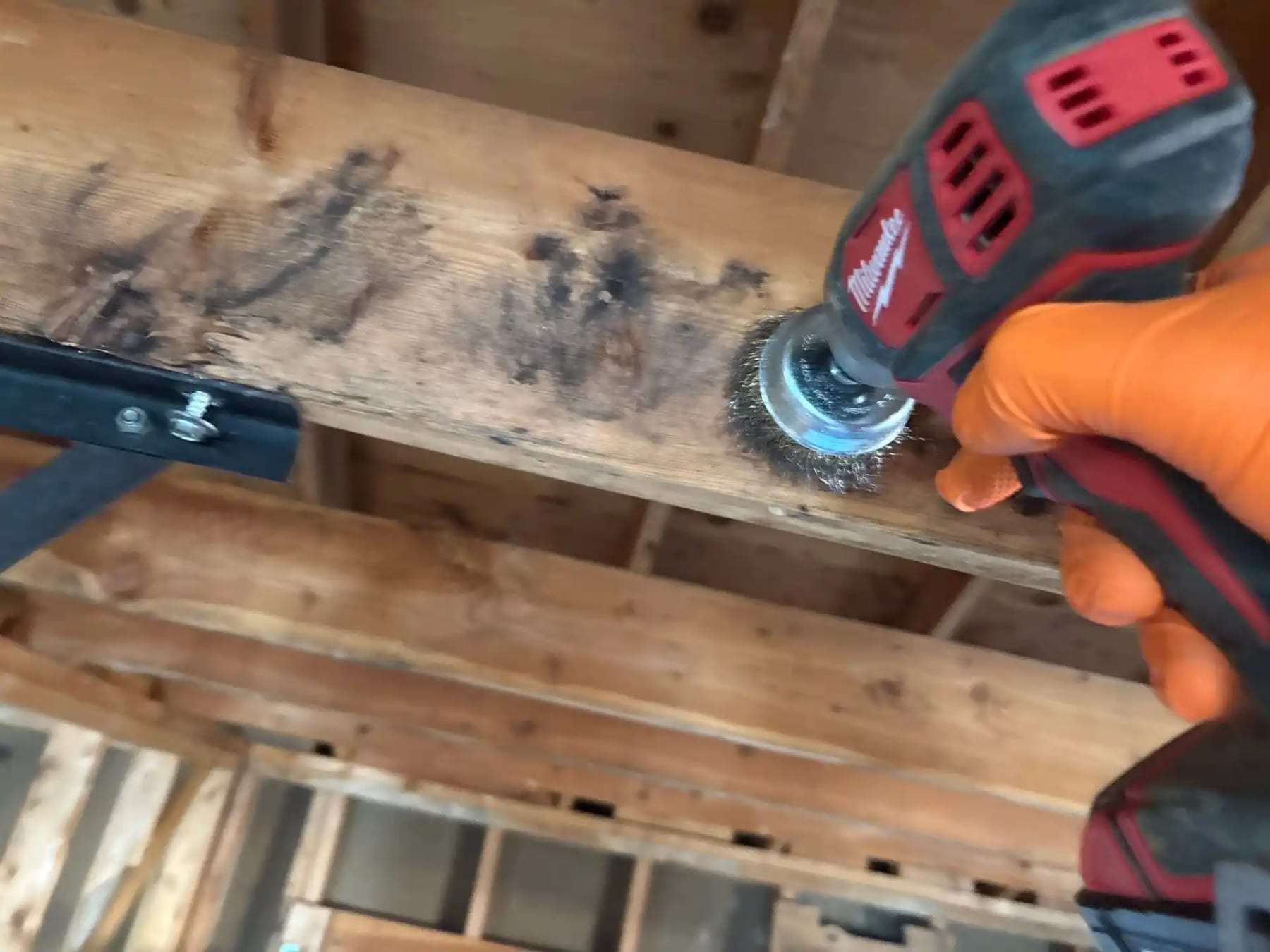
- — Don't scrub, sand, or dry-brush visible mold. Disturbing it releases spores into the air.
- — Don't run fans aimed at moldy areas or rely on bleach on porous materials; neither solves the problem.
- — Close off the room if you can, and keep people with asthma, allergies, or weakened immune systems away from it.
- — Note any leaks or water events you know of. That history helps locate the source.
Diagnosis comes before any removal
01
Where is the water coming from?
A roof or window leak, a plumbing line, condensation from an HVAC system, ground water at the foundation, or humidity from a bathroom or pool area. Each needs a different fix.
02
How far has it spread?
Moisture meters and thermal imaging show wet areas behind finishes, so the remediation area is drawn around actual moisture, not just visible growth.
03
What materials are involved?
Drywall and insulation are usually removed when affected; framing, hard surfaces and many finishes can be cleaned.
04
What has to be protected?
Finished rooms, flooring, furnishings and air systems that should stay out of the work area.
Containment protects the rest of the house
Disturbing mold releases spores and dust. In a large home with expensive finishes and a central air system, the work area is sealed off with plastic sheeting, kept under negative air pressure with HEPA-filtered air scrubbers, and entered through a separate chamber where workers remove protective clothing. Air from the work zone flows out through filters, not into the rest of the home.
HVAC returns in or near the work area are covered, and the system may be shut down during removal.
Simplified illustration. Setup depends on the size and location of the affected area.
How mold remediation is usually done
A sound approach follows widely used industry and EPA guidance, scaled to the size and location of the growth.
| Step | What happens | What to ask for |
|---|---|---|
| 1 Inspect and find the moisture | Look for the water source with moisture meters and thermal imaging, and map the affected materials. | Where the moisture is coming from, and the readings that show it. |
| 2 Contain | Isolate the work area with plastic sheeting and, for larger jobs, negative air pressure with HEPA filtration. | How the work area will be sealed, and how HVAC returns are covered. |
| 3 Remove and clean | Remove porous materials that are contaminated, and clean and HEPA-vacuum structural surfaces. | Which materials come out, which are cleaned, and why. |
| 4 Dry and correct | Dry the area completely and recommend the repair that stops the moisture from returning. | The repair that stops the moisture, and who will make it. |
| 5 Rebuild | Replace drywall, insulation, and finishes once the area is clean and dry. | Whether rebuilding is in the same scope or a separate estimate. |
Situations Cherry Hills Village homeowners call about
-
1.
Mold behind a basement finish
A musty smell in a finished lower level leads to discolored drywall behind a media-room wall where a foundation crack has been seeping.
-
2.
Attic growth over a bathroom
Dark staining on attic sheathing traces back to a bathroom exhaust fan venting warm, moist air into the attic instead of outside.
-
3.
Slow leak under a wet bar
A dripping fitting under a basement wet bar soaks the cabinet base and the drywall behind it for months before the smell gives it away.
Mold remediation in larger Cherry Hills Village homes
Cherry Hills Village is a small, primarily residential city in Arapahoe County known for large lots and substantial custom homes, many with expansive finished basements, multiple HVAC systems, and features such as wet bars, wine storage, and large bathrooms, each a potential source of hidden moisture.
In bigger homes, containment matters even more. The work area should be isolated so the rest of the house stays livable and clean, and when owners are away, ask how the contractor will coordinate access with a property manager or house staff.
Go deeper on mold and moisture
Longer explainers and planning tools on sources, containment and scope.
Answers18
- Mold in a home wine cellar: why a room built for humidity grows it
- Wet bars, ice makers and bar sinks: slow leaks that feed basement mold
- When a house has several HVAC systems: keeping mold cleanup from traveling
Toolkit9
- Interviewing a mold remediation contractor: a question list
- Reviewing a written mold remediation scope, line by line
- Cost factors for mold work in a large custom home
Questions
Do I need mold testing before remediation?
Not always. If mold is visible and the moisture source is known, testing often doesn't change the plan. Testing can help when there's a smell but no visible growth, for health concerns, or for real estate transactions. Some owners hire an independent assessor to test after remediation.
How much mold can I clean myself?
EPA guidance suggests that small areas, roughly 10 square feet or less on hard surfaces, can often be cleaned by a homeowner with proper precautions, if the moisture problem is fixed. Larger areas, mold in HVAC systems, or growth after contaminated water are better handled by professionals.
Does bleach kill mold?
Bleach can discolor surface mold on nonporous materials but doesn't remove growth from porous materials like drywall or wood, and it adds moisture. Remediation focuses on physically removing mold and fixing the moisture source.
Will mold come back after remediation?
It can if the moisture problem continues. Remediation removes existing growth; preventing recurrence means repairing leaks, improving drainage or ventilation, and controlling humidity.
Can I stay in the house during mold removal?
In most cases, yes. Containment is designed to keep the rest of the home separated from the work area. People with significant health concerns should talk with their doctor.
Is mold remediation covered by insurance?
Coverage varies. Mold resulting from a sudden, covered water loss is more likely to be covered than mold from long-term leaks or humidity, and many policies have mold limits. Check with your insurer.
Should I have the air tested before or after mold remediation?
Testing isn't always needed when growth is visible and the cause is clear. Some owners choose independent testing after remediation for peace of mind or before a sale. If you want it, use a qualified firm that is independent of the remediation contractor.
Arrange a mold assessment
This form is not connected. This website is a draft preview: no business has been confirmed to receive requests, so the fields below are switched off and nothing can be sent. In an emergency, call 911.